Creating an Inviting Atmosphere
The ambiance of a casino plays a critical role in shaping player behavior. Design elements such as lighting, colors, and decor are strategically chosen to evoke excitement and comfort. Warm colors like red and gold can stimulate energy and enthusiasm, encouraging players to engage more with games. Subtle yet vibrant lighting enhances the experience, often blurring the distinction between day and night, which can lead to prolonged stays. Casinos often utilize these elements to create a sensory experience that captivates and retains players, making them feel at home while also stimulated, similar to what you might find at 1stchoicecars.uk where comfort is key.
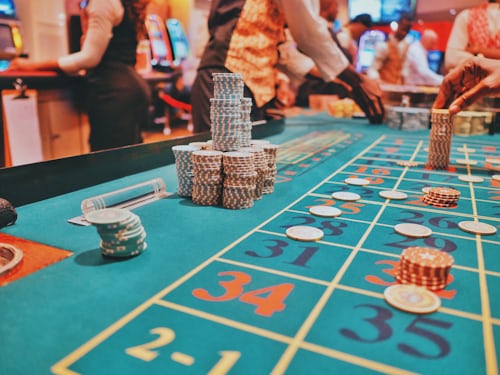
Moreover, the layout of the casino is meticulously planned to create a sense of exploration. By using pathways that subtly guide players through different gaming areas, designers can inspire curiosity and the desire to try various games. A well-designed casino often features open spaces that facilitate movement while keeping players feeling immersed in an engaging environment. This strategic design not only affects the duration of visits but also increases the likelihood of players spending more money. For instance, a player might enter a casino intending to spend a few hours, only to find themselves lingering longer due to the inviting and intriguing layout.
Furthermore, the use of sound plays a pivotal role in influencing player behavior. The clinking of coins, upbeat music, and the sounds of winning slots create an engaging audio landscape. These sound elements can trigger positive emotions and reinforce player participation, making it difficult to leave the gaming floor. The combination of sound and visual stimuli is designed to create a hypnotic effect, encouraging players to stay longer and enjoy the moment. All these aspects collectively contribute to crafting an atmosphere that keeps players entertained and focused on the experience rather than the passage of time.
The Role of Layout in Player Interaction
The physical layout of a casino significantly influences how players interact with one another and the games themselves. A well-thought-out design places popular games at strategic locations, ensuring they are easily accessible. This accessibility encourages socialization among players, as they gather around popular table games or slot areas, sharing tips and experiences. The arrangement of games can create a communal feel, where players feel a part of something larger as they engage with both the games and each other. This dynamic interaction fosters a lively atmosphere that can enhance the overall gaming experience.
Moreover, clusters of games designed for social play, such as poker tables, foster a community atmosphere that can draw more players. When individuals witness others engaging and having fun, it can act as a catalyst encouraging them to join in. This kind of interaction not only cultivates a sense of camaraderie but also can lead to increased spending, as players may feel compelled to continue participating to sustain their involvement with the group. The layout essentially acts as a social facilitator, guiding players toward areas where they can connect and share experiences.
In addition to promoting interaction, the layout can influence the flow of foot traffic within the casino. By designing pathways that guide players naturally from one area to another, casinos can create a seamless experience that encourages exploration of various games. This design strategy can extend a player’s stay and increase their overall spending, as they become engrossed in the vibrant gaming atmosphere created by thoughtful layout choices. Whether it’s through strategic signage or intuitive pathways, the layout is crucial in maintaining player engagement and satisfaction throughout their visit.
Psychological Impacts of Design Choices
Casino designers often consider psychological principles when crafting environments meant to maximize player engagement. One notable aspect is the ‘near miss’ concept, where players experience outcomes close to winning. This design strategy can lead to repeated game attempts, as players feel motivated by the prospect of a potential win. The layout may include visual displays of recent winners, further feeding into this psychology and prompting players to try their luck. By creating an environment that amplifies these psychological triggers, casinos effectively encourage players to keep betting, even after losses.
Additionally, design elements such as free drinks and complimentary services create a sense of loyalty and belonging among players. When players feel valued and pampered, they are likely to spend more time at the casino, contributing to their overall gaming budget. The integration of these elements into the casino experience plays a significant role in shaping attitudes towards spending. Players who feel special and appreciated are more likely to indulge, reinforcing the casino’s financial success. These psychological triggers are intentional design strategies, showcasing how the physical environment can affect mental attitudes towards spending and engaging with the games.
Furthermore, research indicates that design features like the absence of clocks and windows contribute to a timeless experience, effectively reducing players’ awareness of time. This results in longer gaming sessions and increased spending, as players become engrossed in their environment without the distraction of the outside world. By understanding these psychological impacts, casinos can further refine their designs to optimize player behavior and satisfaction. The overall design becomes a tool for managing player experience, subtly guiding them toward longer and more profitable visits.
Influence of Theme and Branding
The thematic design of a casino can significantly influence player perceptions and behaviors. Themed casinos create a unique identity that attracts specific demographics by tapping into players’ interests and emotional connections. For instance, a casino inspired by a tropical paradise may evoke feelings of relaxation and enjoyment, while a vintage-themed casino may appeal to nostalgia, attracting those drawn to classic styles and experiences. The theme not only sets the tone for the entire gaming experience but also plays a pivotal role in determining how players interact with the environment.
In addition, the branding elements, from signage to overall decor, establish a narrative that resonates with potential visitors. Strong branding can enhance player loyalty and encourage repeat visits, as individuals associate positive experiences with the casino’s overall theme and marketing. For example, casinos that emphasize luxury and exclusivity may attract high rollers willing to spend more, drawn in by the promise of an elite experience. This branding strategy not only helps in player retention but also in attracting new clientele eager to explore what the casino has to offer.
The interaction between theme and player behavior should not be underestimated. Casinos that offer immersive experiences, complete with themed entertainment and decor, can captivate players and create memorable moments that extend beyond gaming. By integrating various design and branding elements, casinos not only enhance their appeal but also create lasting connections with their clientele, influencing their decision to return. The theme becomes part of the player’s identity and experience, enhancing their overall satisfaction and loyalty to the brand.
Exploring the Online Casino Space
As online gaming continues to grow, the impact of design on player behavior is increasingly relevant. The design of an online casino website plays a crucial role in attracting and retaining players. User-friendly interfaces that allow for easy navigation can significantly enhance the user experience, encouraging players to explore different games and features without frustration. A clean and aesthetically pleasing design can also instill trust and credibility, essential elements in an online gambling environment. In this digital age, where options abound, effective design can set a platform apart from its competitors.
Moreover, online casinos often replicate successful design elements from physical establishments to create engaging virtual experiences. This includes using vivid graphics, dynamic sound effects, and interactive elements that mimic traditional gaming environments. These features can effectively attract players who may miss the ambiance of a physical casino, thus driving engagement and prolonging gameplay sessions. The design must evoke a feeling of being in a real casino, enhancing the overall experience and keeping players coming back for more.
In addition, social features integrated into online platforms, such as chat functions and leaderboards, foster a sense of community among players. By incorporating elements that encourage interaction, online casinos can replicate the social aspects of physical casinos, ultimately enhancing player satisfaction and retention. As the digital landscape continues to evolve, design remains a fundamental factor in shaping player behavior and experiences in the online casino space. The focus on creating a welcoming and engaging online environment is crucial for attracting and maintaining a loyal player base.